


 Educast Nepal
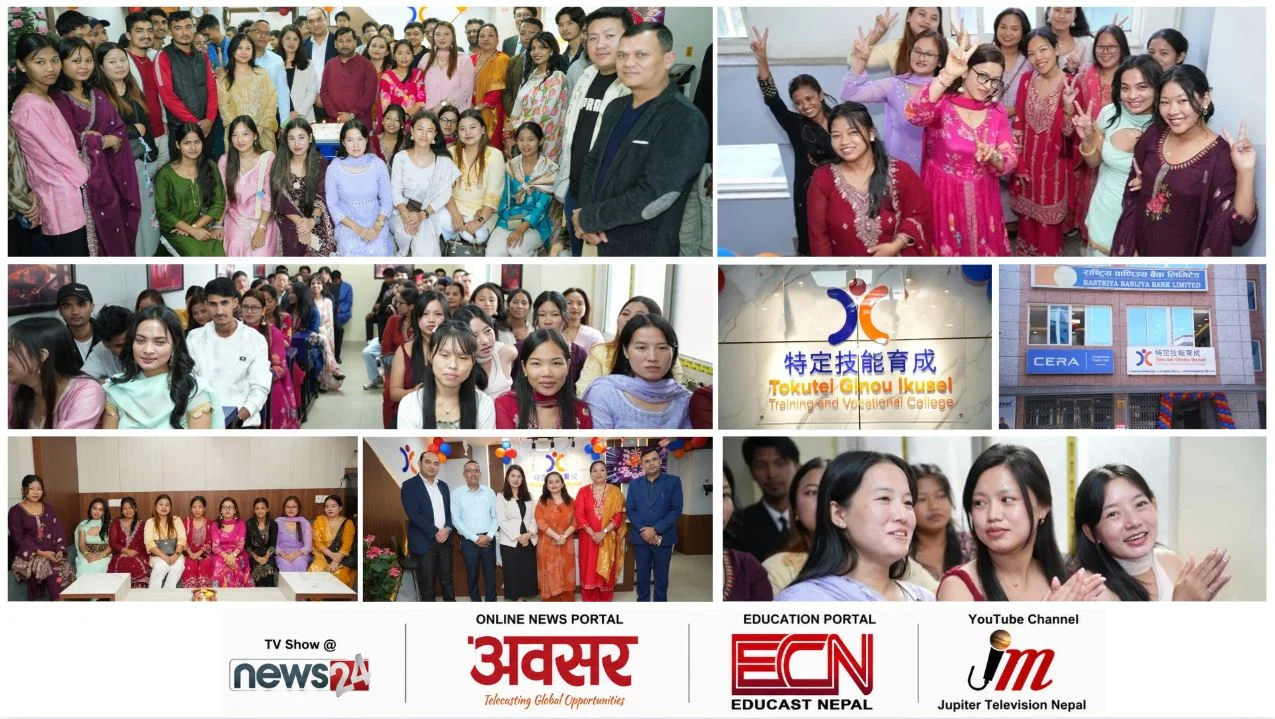
Kathmandu, October 11, 2026: Tokutei Ginou Ikusei Training and Vocational College celebrated its 12th anniversary alongside a Dashain Subhakamana Exchange Program at its office premises in Dhumbarahi, Kathmandu. The event brought together the institution’s board members, educators, students, and representatives from RB Rise to celebrate its twelve-year journey in Japanese language education, vocational training, and skilled workforce development.
The program began with a welcome address by Founder and CEO Rajendra KC, who highlighted the institution’s mission of connecting Nepali talent with employment opportunities in Japan. Established in 2014, the college has focused on equipping students with Japanese language proficiency, technical skills, and professional knowledge to help them prepare for the Japanese job market.
KC emphasized that the institution’s role extends beyond overseas employment preparation. He noted that graduates can use the skills and experience gained in Japan to contribute to Nepal’s development through entrepreneurship, professional advancement, and knowledge transfer. He also highlighted the importance of structured training under Japan’s Specified Skilled Worker (SSW), or Tokutei Ginou, framework.
Amita Khadgi, Managing Director, extended her warmest wishes to all participants on the auspicious occasions of Dashain, Tihar, Nepal Sambat, and Chhath, wishing everyone happiness, prosperity, peace, and continued success.
Director Ramesh Devkota highlighted the importance of professional discipline, workplace ethics, cultural understanding, and long-term career planning for Nepali candidates pursuing employment in Japan. He emphasized that proper preparation and adaptability are essential for building sustainable careers and achieving professional and financial goals.
Similarly, Director Mahesh Kumar Shrestha presented the institution’s Japanese language and vocational training programs. He discussed preparation for the Japan Foundation Test for Basic Japanese (JFT-Basic) and the Japanese-Language Proficiency Test (JLPT), including N4 and N3 levels. He also highlighted training related to caregiving, food service, agriculture, and technical skill evaluations for candidates seeking relevant employment opportunities in Japan.
Director Arun Pandey extended festive greetings to the students, teachers, alumni, and guests. He highlighted the institution’s technical facilities, counseling services, and support for candidates preparing to pursue employment opportunities in different prefectures of Japan. He also emphasized the importance of proper guidance throughout the training and preparation process.
Nobuyuki Sugawara, Project Director of RB Rise, congratulated the college on completing twelve years and commended its efforts to prepare candidates for Japan’s labor market. He highlighted the importance of language skills, technical competence, and cultural orientation in helping Nepali workers adapt to Japanese workplaces.
Bibek Bhandari, Project Manager of RB Rise, also extended congratulations and Dashain greetings to the institution’s leadership, faculty members, and students. He emphasized the importance of cooperation between Nepalese training organizations and Japanese recipient organizations in preparing skilled workers and strengthening professional relationships between the two countries.
The anniversary celebration also featured an exchange of Dashain greetings, with participants wishing one another happiness, prosperity, good health, peace, and continued success. The festive gathering reflected the importance of cultural understanding and maintaining strong relationships among students, educators, alumni, and institutional partners.

The event marked an important milestone for Tokutei Ginou Ikusei Training and Vocational College, reaffirming its commitment to Japanese language education, vocational skills development, and career preparation. Through continued training and cooperation with relevant stakeholders, the institution aims to help Nepali youth pursue international employment opportunities while encouraging them to use their knowledge and experience for Nepal’s future development.


Jupiter Media Pvt. Ltd.
DOI No. 1854/076-77
015581367/ +97709841712200
Opposite to UMN, Upakar Marg, Thapathali-11, Kathmandu Nepal
Chairman: Raju Acharya
Director: Sunil Acharya
Editor: Tara Nath Dhakal
Cameraman: Hari Khadka
Reporter: Shashi Ram Bon
Concept: Lokendra Bhandari










Write your comment