


 Educast Nepal
Lalitpur, October 13, 2026 — The International Labour Organization (ILO) has highlighted significant progress in promoting formal employment, social protection, workers’ rights and representation in Nepal’s informal economy through its Promoting Rights and Social Inclusion through Organization and Formalization (PRS) Phase 2 project.

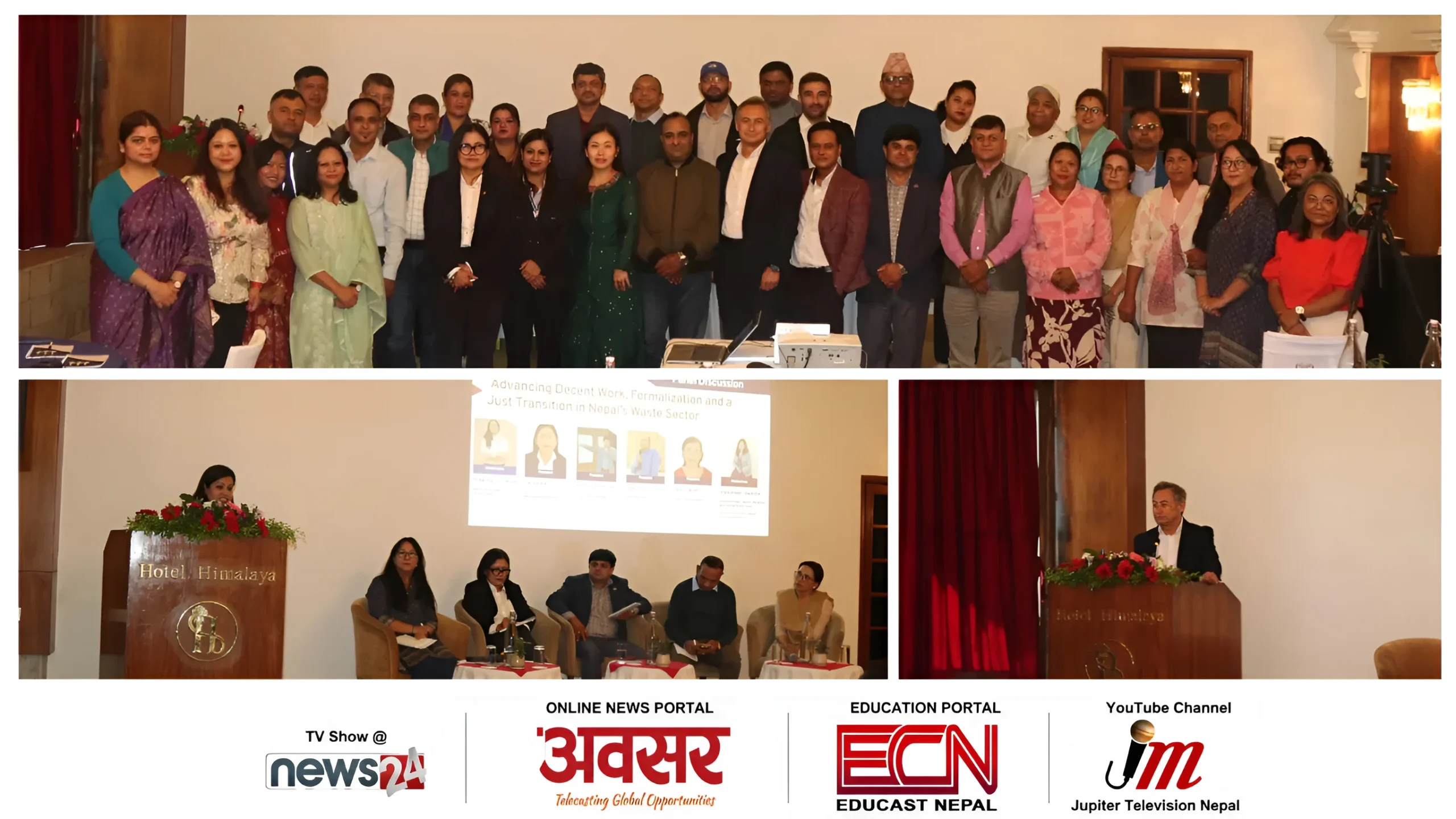
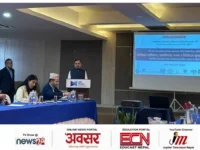
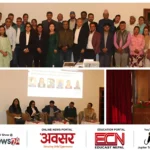
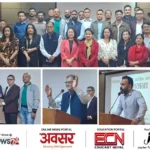
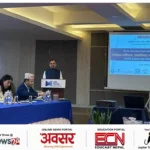
The project’s Nepal component concluded with a workshop in Lalitpur on October 13, 2026, bringing together representatives from government agencies, employers’ and workers’ organizations, enterprises, development partners and other stakeholders to review achievements, discuss lessons learned and explore opportunities to sustain and expand successful initiatives.
Funded by the Government of Japan, the project was implemented from 2023 to 2026 in India, Nepal and Pakistan. In Nepal, it focused on advancing the formalization of informal employment, strengthening social protection, improving workers’ representation, promoting social inclusion and advancing gender equality.
Speaking at the closing workshop, Numan Özcan, Director of the ILO Country Office for Nepal, emphasized that the real impact of labour initiatives should be measured by improvements in workers’ everyday lives. He highlighted the importance of ensuring greater security for workers who previously lacked protection, safer working conditions for those in hazardous occupations, and recognition and respect for workers whose contributions have long remained overlooked.
Özcan stressed that although projects have defined timelines, the shared responsibility to protect workers’ rights, dignity and welfare must continue beyond their completion.
A major focus of the project was the waste management sector, where workers frequently face insecure employment, occupational hazards and limited access to social protection. In partnership with the Solid Waste Management Association of Nepal (SWMAN), the ILO supported the development of more formal, safe and gender-inclusive workplaces through improved policies, workplace practices and social dialogue among government bodies, employers and workers’ organizations.
The project contributed to the development of sectoral guidelines, a Code of Conduct, standard operating procedures, model employment and subcontractor agreements, and the establishment of 10 enterprise-level unions. These initiatives helped translate capacity-building activities into practical workplace improvements, including wage increases, the reinstatement of dismissed workers, improved welfare facilities and stronger occupational safety and health measures.
The project also reported progress in organizational registration and social security coverage. All assessed organizations were registered in some form, while 94.4 per cent maintained payroll records and 72.2 per cent were registered with the Social Security Fund (SSF). Among surveyed workers, 43.6 per cent reported being enrolled in the SSF, highlighting both the progress achieved and the need for further efforts to extend social protection.
Workplace safety and basic facilities also improved. Among surveyed workers, 77.2 per cent reported feeling safe at work, 83.6 per cent had access to safe drinking water and 76.4 per cent had access to handwashing facilities. Safety measures for vehicles and loading areas were observed in 72.2 per cent of assessed workplaces. Other improvements included separate toilets for women and men and designated rest areas.
Beyond workplace-level changes, ILO expertise and project tools contributed practical inputs to the National Solid Waste Management Guidelines led by the Ministry of Infrastructure Development. The project also supported the Government of Nepal in conducting a legal gap analysis concerning ILO Convention No. 189 on domestic workers. This work contributed to tripartite dialogue and laid the groundwork for considering ratification and related legislative reforms to strengthen the rights and protection of domestic workers.
The closing workshop further examined how decent work and formalization could contribute to Nepal’s transition towards greener and more sustainable development. Representatives from government, Kathmandu Metropolitan City, SWMAN, workers’ organizations and development partners discussed how sustainable waste management could create decent employment opportunities while improving working conditions and protecting workers’ rights.
The event also featured the ILO’s Policy Guidelines for the Promotion of Decent Work in Recycling, presented by Casper Edmonds, Head of the Manufacturing, Mining and Energy Unit at ILO headquarters. Participants discussed the relevance of the guidelines to Nepal’s evolving waste management and recycling sector and their potential to inform future policies and industry practices.
As the PRS Phase 2 project concludes, stakeholders have emphasized the importance of maintaining partnerships, strengthening institutional coordination and building on the project’s achievements. Continued collaboration among government, employers, workers’ organizations and development partners will be essential to expand social protection, strengthen workers’ representation, improve workplace safety and promote decent work.
The project’s experience underscores that formalization is not simply a matter of registering businesses or workers. It also involves ensuring fair treatment, safer working environments, access to social protection and recognition of the contribution made by workers to Nepal’s economy and sustainable development.


Jupiter Media Pvt. Ltd.
DOI No. 1854/076-77
015581367/ +97709841712200
Opposite to UMN, Upakar Marg, Thapathali-11, Kathmandu Nepal
Chairman: Raju Acharya
Director: Sunil Acharya
Editor: Tara Nath Dhakal
Cameraman: Hari Khadka
Reporter: Shashi Ram Bon
Concept: Lokendra Bhandari




Write your comment