


 Educast Nepal

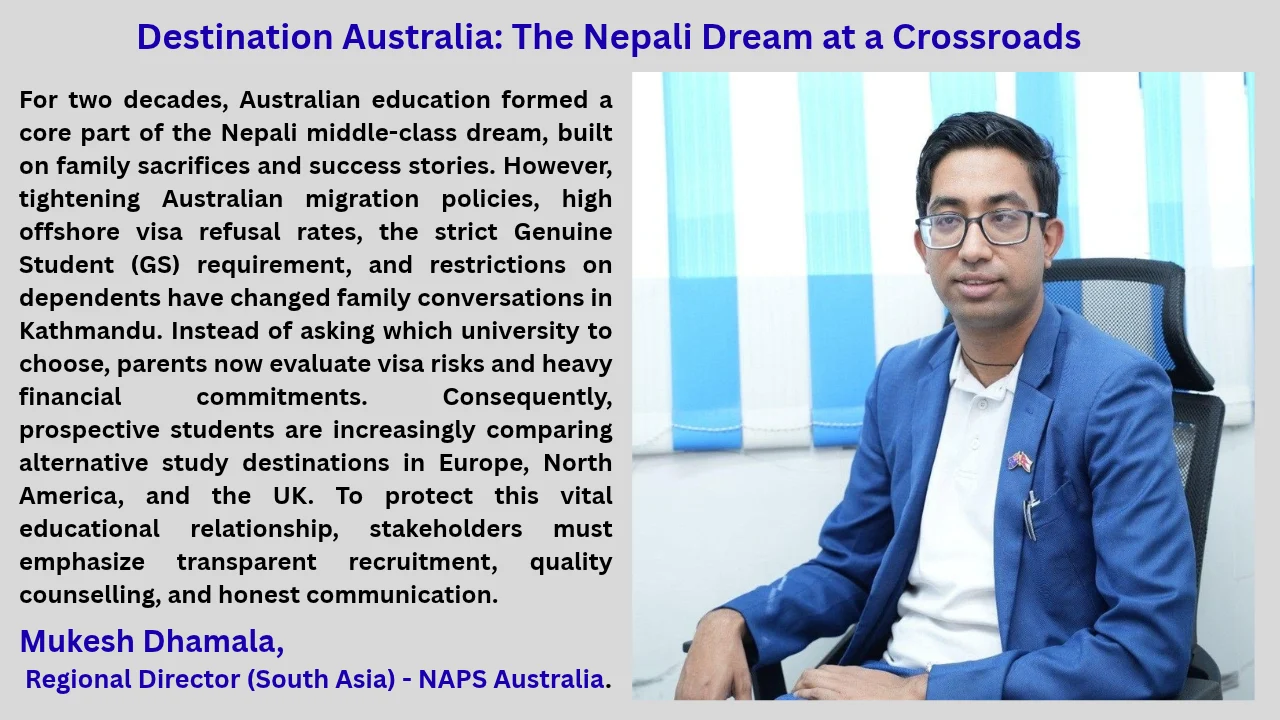
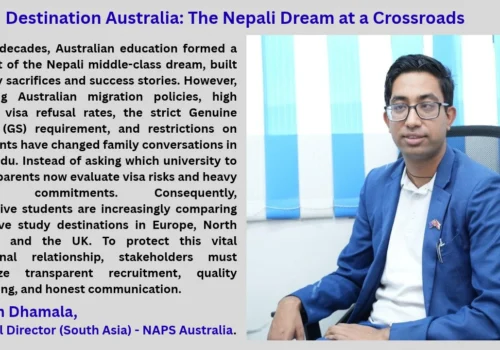
EDUCAST, Welcome to another episode of Destination Australia, featuring Mr. Mukesh Dhamala, Regional Director – South Asia at NAPS Australia, an international education expert and analyst with more than a decade of experience in international student recruitment, institutional partnerships, and education counselling. In this episode, we explore the evolving landscape of Australian education, student visa policies, ethical recruitment practices, and the opportunities and challenges facing Nepali students aspiring to pursue higher education in Australia. Drawing on his professional experience and policy insights, Mr. Dhamala shares perspectives on the importance of informed decision-making, transparency, academic quality, and responsible international student recruitment.
Destination Australia is a television initiative produced by Jupiter Media Pvt. Ltd. in association with News 24 Television, hosted by Sunil Acharya, Director of Jupiter Media. The programme aims to provide authentic, informative, and practical insights into Australian education, admission opportunities, student visa developments, career prospects, and the experiences of international students. Through conversations with education experts, institutional representatives, and other key stakeholders, Destination Australia seeks to connect Nepali students and parents with reliable information and a better understanding of the opportunities available in Australia.
“Namaste, and a very warm welcome to all our viewers across Nepal and online. I am your host, Sunil Acharya, welcoming you to another episode of Destination Australia, brought to you by Jupiter Media on News 24 Television.
For over two decades, studying in Australia has been far more than an educational preference—it has been a central part of the Nepali middle-class dream. Families have invested life savings, land, and immense hopes to send their children to Australian universities. However, in 2026, the international education landscape is undergoing a dramatic shift. With offshore visa refusal rates reaching record highs and frequent policy changes coming out of Canberra, Nepali families are pausing to ask a fundamental question: Is Australia still worth the financial and personal risk?
To help us break down these complex realities, we are joined in the studio today by Mukesh Dhamala, a QEAC-certified international education leader with over a decade of regional experience in South Asia. Welcome to the show, Mukesh ji.”
Mukesh Dhamala:
“Namaste Sunil ji, and thank you for having me. It’s a pleasure to be here on News 24 TV to address these critical conversations.”
Mukesh Dhamala:
“Thank you, Sunil ji. Twenty years ago, studying in Australia was a distant dream with limited information. But over time, pioneer Nepali students went to Sydney, Melbourne, and Brisbane, succeeded, and shared their experiences back home. Relatives and neighbors saw young Nepalis graduate, secure good employment, build businesses, and become respected professionals like nurses, accountants, and IT specialists. These success stories created a ripple effect. Families realized that an Australian qualification offered not just quality academic training, but a viable global future. It became an investment in the mobility and security of the entire family.”
Mukesh Dhamala:
“In the past, the primary questions were about university rankings, available scholarships, and part-time job prospects. Today, conversations are much more cautious and risk-averse. Parents ask: What if the visa is refused after we pay non-refundable fees? What if migration rules change after my child arrives? Can we afford this program without relying on part-time earnings? There is a heightened awareness of risk. Families still respect Australian education, but they are evaluating whether the financial risk is greater than their safety margin.”
Mukesh Dhamala:
“These numbers are a massive wake-up call. A 69% refusal rate for offshore higher education applications from Nepal means that almost 7 out of 10 applicants were rejected in that period. That creates immense psychological and financial fear. It directly leads to offer deferrals, withdrawals, and a growing number of students who receive university offers but choose never to lodge a visa application. The numbers explain why families are stepping back—not because they lack academic talent or financial integrity, but because the outcome feels unpredictable.”
Mukesh Dhamala:
“The Genuine Student test requires students to clearly articulate why a specific course aligns with their academic background, career ambitions, and current circumstances. It’s no longer enough to submit generic statements. Students must demonstrate a clear educational pathway and genuine intent. While I support rigorous standards that keep bad actors out, the GS requirement demands much more intensive preparation and honesty during counselling. If a student cannot articulate their choice, they should rethink applying altogether.”
Mukesh Dhamala:
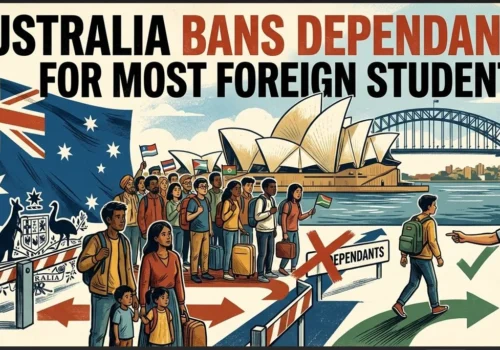
“It has an immediate, concrete impact. Just recently, a student in Nepal was preparing for a Master of IT program. The family had organized funding through a small business, salary income, savings, and an approved education loan. They were ready to proceed, planning for the student to travel with their spouse. When the restriction on dependents was announced, the family paused and decided not to apply at all. That student had genuine academic intent and verified finances, yet they withdrew before even entering the system. This hidden drop-out rate is something official visa refusal charts never capture.”
Mukesh Dhamala:
“While high scrutiny affects the entire South Asian region, each country faces specific nuances. In Nepal, financial documentation—proving income streams, property value, and loan legitimacy—is the central hurdle. In Bangladesh, student hesitation peaks after receiving an offer due to high visa risk perception. In India, the market is so vast that counsellors must help students avoid choice overload and ensure alignment with Genuine Student parameters. In Pakistan and Sri Lanka, where visa refusal rates reached 40% to 60%, strict verifications require meticulous document preparation. A tailored recruitment strategy for each market is crucial.”
Mukesh Dhamala:
“Yes, Australia is no longer the automatic first choice. Students are actively comparing options. The UK and Canada remain popular despite their own policy shifts. European countries like Germany are attracting students due to affordable or tuition-free structures and strong technical programs. The US continues to draw high achievers interested in research, scholarships, and career pathways. In the past, students picked Australia first and then figured out the process. Today, they compare all options before committing.”
Mukesh Dhamala:
“Absolutely. Australia has every right to manage its infrastructure, housing, and migration levels. Protecting the integrity of its international education system benefits genuine students and quality institutions. However, international students should not be viewed merely as migration numbers to trim or revenue sources to measure. They contribute to Australia’s healthcare, IT, research, and multicultural fabric. Policy reforms should be matched with clear, predictable communication so that genuine applicants aren’t caught off guard.”
Mukesh Dhamala:
“We in the industry must maintain total honesty. Agents and providers should never promote study programs using unrealistic promises of guaranteed jobs or permanent residency. Part-time work must never be pitched as a primary means to pay tuition fees. Counsellors need to initiate financial discussions early, explain the strict nature of the Genuine Student test, and evaluate applicants on quality rather than just chase application volume.”
Mukesh Dhamala:
“Dashboards and visa refusal numbers only tell part of the story. They don’t explain why qualified students defer, withdraw, or choose alternative countries. Vetted counsellors on the ground in Kathmandu, Dhaka, or Delhi know exactly why a student dropped out of the pipeline—whether due to high visa application fees, policy shifts, or financial uncertainties. Australian universities that consult regularly with trusted regional representatives get real-time market intelligence that helps them adjust recruitment strategies effectively.”
Mukesh Dhamala:
“The higher visa fees significantly raise the stakes. When you combine high application costs, health insurance, document verification expenses, and tuition deposits with a high probability of visa refusal, the financial risk becomes steep. If an application is refused, families lose non-refundable processing costs and bank service charges. That risk makes families think twice before lodging an application without 100% confidence.”
Mukesh Dhamala:
“I recommend six core practices:
Early Financial Auditing: Thoroughly verify all funding sources, bank statements, and loan documentation before starting university applications.
GS Preparation: Work with students to ensure they understand their course structure and can articulate their career rationale.
Track Deferrals & Withdrawals: Analyze non-refusal dropouts to understand student concerns.
Compare Global Options: Provide objective comparisons so families make informed choices.
Quality-Based Metrics: Measure agency success by application quality and compliance rather than volume.
Transparent Communication: Provide clear updates on policy changes to counter social media rumors.”
Mukesh Dhamala:
“To Australian policymakers: The reputation of Australian education abroad depends on policy predictability, fairness, and clear communication. The confidence built over two decades can erode if changes feel abrupt.
To Nepali families and students: Do not lose hope, but be thorough. Take your time, ask hard questions, choose programs aligned with your genuine career goals, and ensure your documentation is fully verifiable. Australia remains a premier destination, but it must remain a choice worth believing in.”
Sunil Acharya:
“A powerful message to end on. Australia’s educational relationship with Nepal has built careers, strengthened communities, and enriched both nations. As policy dynamics shift, maintaining trust through integrity, transparent information, and realistic planning will be essential for the future.
Mukesh Dhamala ji, thank you for joining us on Destination Australia and sharing these invaluable insights with our viewers.”
Mukesh Dhamala:
“Thank you very much, Sunil ji. Dhanyabad.”
Sunil Acharya:
“That brings us to the end of today’s episode of Destination Australia, brought to you by Jupiter Media on News 24 TV. Keep watching News 24 TV for authentic updates on international education, career planning, and global opportunities. Stay informed, plan carefully, and good night!”


Jupiter Media Pvt. Ltd.
DOI No. 1854/076-77
015581367/ +97709841712200
Opposite to UMN, Upakar Marg, Thapathali-11, Kathmandu Nepal
Chairman: Raju Acharya
Director: Sunil Acharya
Editor: Tara Nath Dhakal
Cameraman: Hari Khadka
Reporter: Shashi Ram Bon
Concept: Lokendra Bhandari





Write your comment