


 Educast Nepal

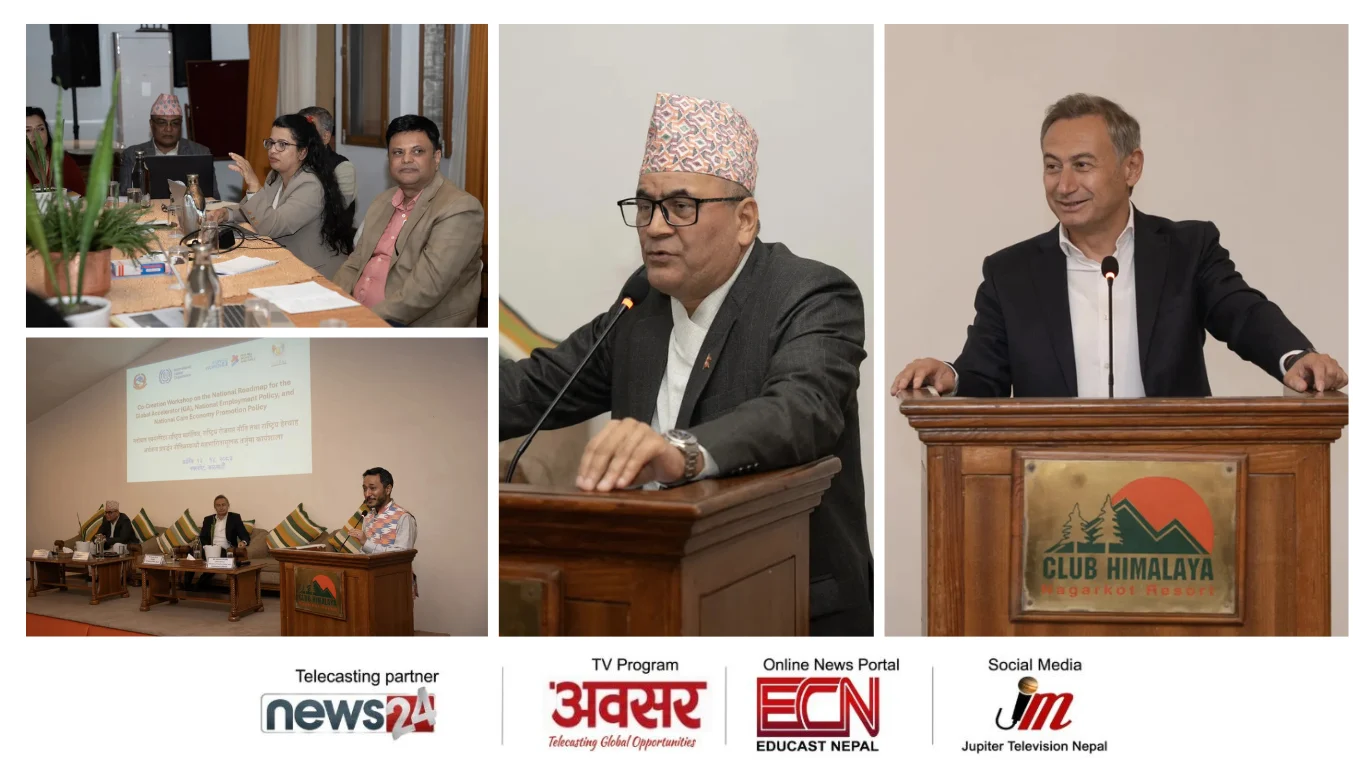
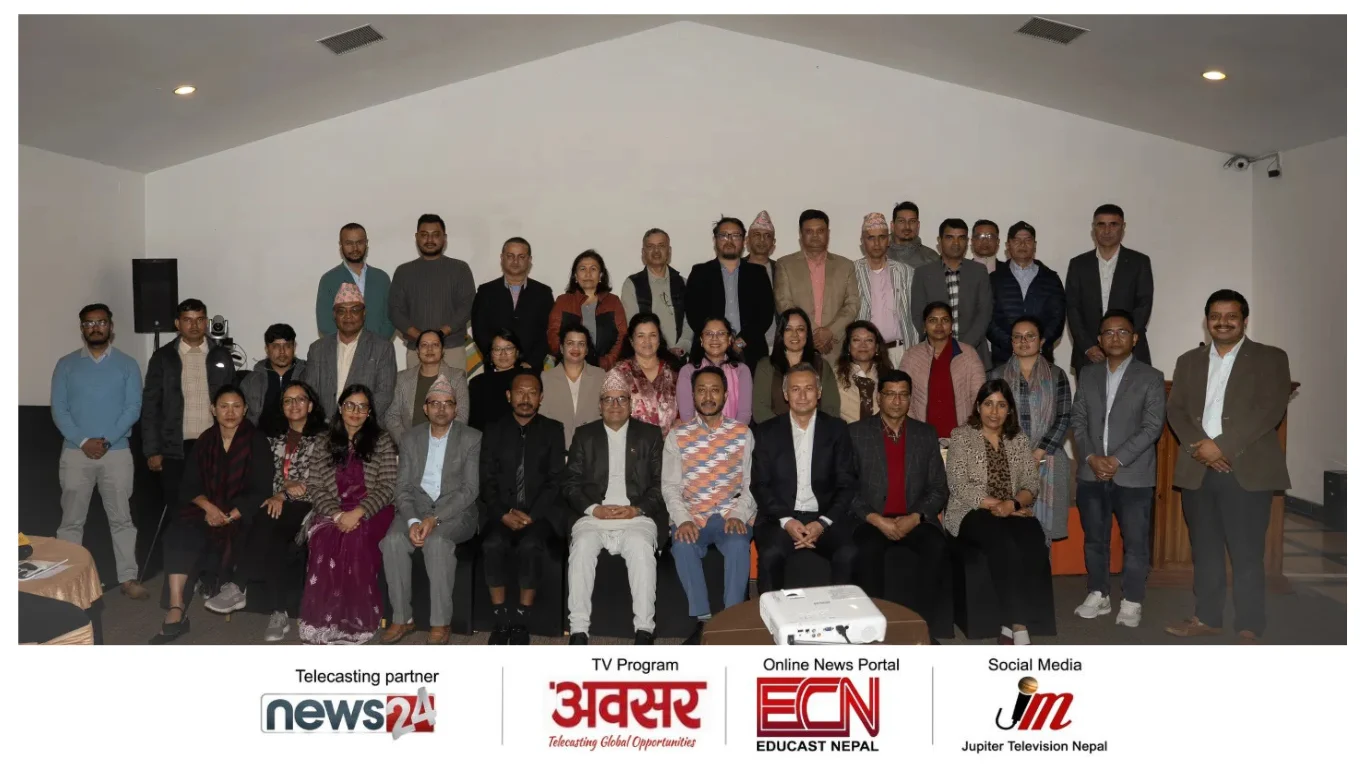
NAGARKOT, NEPAL — 3 NOVEMBER 2026 — Government representatives, academia, and United Nations agencies gathered in Nagarkot on 30–31 October 2026 for a high-level Co-Creation Workshop to advance Nepal’s national agenda on job creation, social protection expansion, and care economy promotion. Led jointly by the National Planning Commission (NPC) and the Ministry of Youth, Labour, and Employment (MoYLE), with technical support from the International Labour Organization (ILO) and UN Women, the two-day event focused on building inclusive economic pathways to address the country’s shifting demographic realities.
During the opening sessions, leaders highlighted the urgent economic and social transitions facing the country. ILO Country Director for Nepal Numan Özcan emphasized the dual imperative of securing decent work for today’s expanding youth population while preparing for an aging demographic, with citizens aged 60 and above projected to reach over 7.1 million by 2051. Addressing these challenges, Honorable Member of the National Planning Commission Dr. Pukar Malla identified strategic growth across key focus sectors—agriculture, tourism, construction, ICT and digitalization, and the care economy—as the essential foundation for sustainable job creation and social safety net expansion.
To translate these goals into action, workshop participants outlined priority interventions across skills development, social safety nets, and digital infrastructure. Strategic recommendations for Technical and Vocational Education and Training (TVET) centered on strengthening multi-tier government coordination to execute the National Qualifications Framework (NQF), building a unified digital registry of skilled workers, and increasing research investments. To broaden social protection, delegates advocated adapting contributory social security schemes to absorb micro and small enterprise staff, temporary workers, and part-time labor, alongside targeted protections for vulnerable populations such as street children, elderly citizens, and survivors of gender-based violence.
Participants also stressed the necessity of creating integrated digital systems to simplify enterprise registration, improve labor market analytics, and streamline social security enrollments through user-friendly, one-stop service platforms. Moving forward, sub-committees presented rapid diagnostic findings on the National Employment Policy (NEP) and the National Care Economy Promotion Policy (NCEPP). Drafting for both policies is set to commence immediately, with key stakeholders aiming to finalize the national frameworks within the next 100 working days under Nepal’s role as a Pathfinder Country for the UN Secretary-General’s Global Accelerator initiative.


Jupiter Media Pvt. Ltd.
DOI No. 1854/076-77
015581367/ +97709841712200
Opposite to UMN, Upakar Marg, Thapathali-11, Kathmandu Nepal
Chairman: Raju Acharya
Director: Sunil Acharya
Editor: Tara Nath Dhakal
Cameraman: Hari Khadka
Reporter: Shashi Ram Bon
Concept: Lokendra Bhandari













Write your comment